Ten Things Everyone Misunderstands Concerning Quality Door Handle Repair
Quality Door Handle Repair: A Comprehensive Guide
Door handles, frequently overlooked in the realm of home improvement, are crucial components that provide both functionality and aesthetic appeals to a home. When a door handle breakdowns, it can disrupt day-to-day regimens and compromise security. The good news is, door handle repair is a workable task that can be approached with the best understanding and tools. This short article functions as a comprehensive guide for repairing door handles, making sure that every house owner can undertake the job confidently and effectively.
Comprehending the Types of Door Handles
Before diving into the repair procedure, it's necessary to comprehend the kinds of door handles you may encounter. Common types consist of:
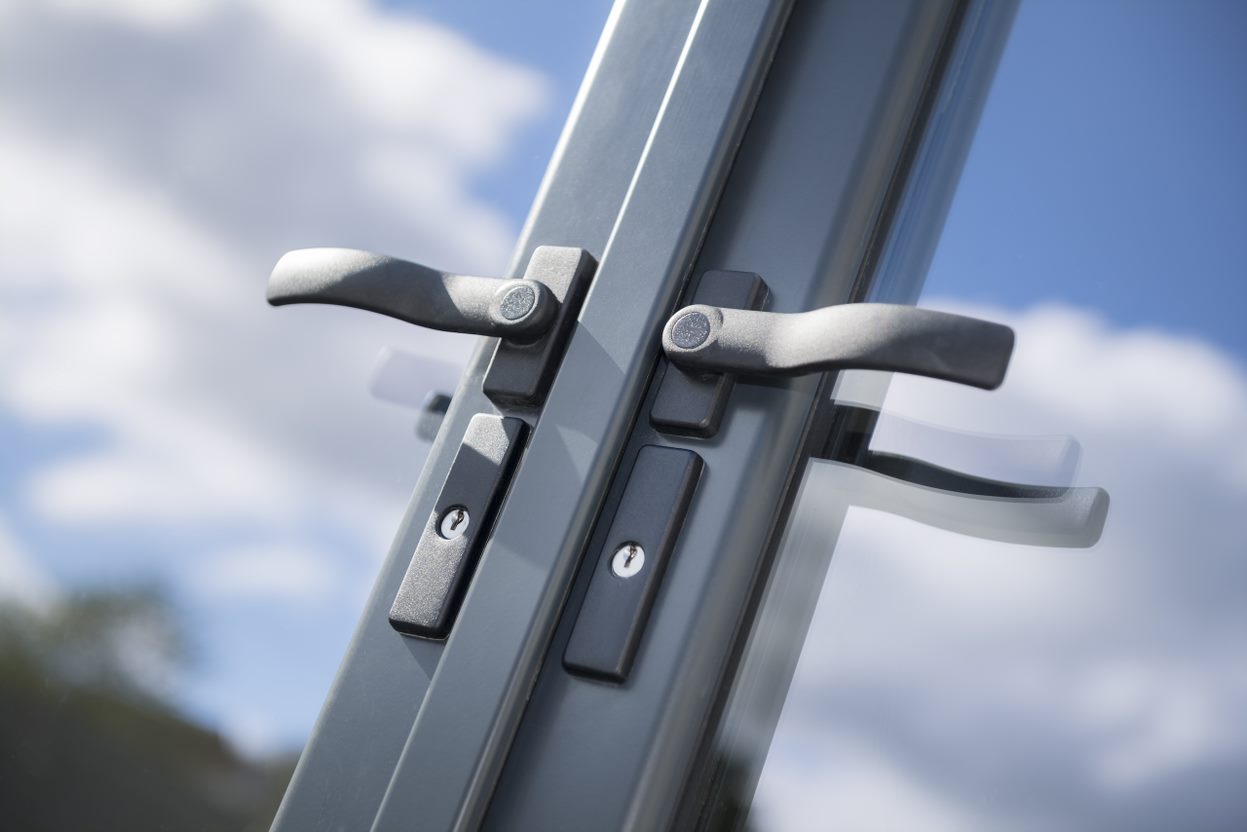
Lever Handles: These come in different styles and are normally easier to grip, making them ideal for heavy doors.
Knob Handles: Traditional in design, knobs can be more challenging to utilize, especially for individuals with limited grip strength.
Deadbolts: These offer extra security and may require a different mechanism for locking.
Smart Handles: Equipped with electronic locking systems, these modern handles offer innovative security however typically require customized understanding for repairs.
Understanding the particular type of door handle is essential as it affects the approach of repair.
Common Door Handle Issues
Before jumping into repairs, it's essential to determine the most common issues that can occur with door handles:
Loose Handle: This often arises from screws that have loosened up in time due to regular use.
Sticking Mechanism: Handles may become sticky due to dirt accumulation, rust, or moisture.
Broken Handle: This can take place from wear and tear or unintentional force.
Locking Issues: If the lock doesn't engage, it might show a positioning concern or internal mechanism failure.
Determining the problem will help in selecting the suitable repair technique.
Tools Required for Door Handle Repair
Having the right tools is critical to guarantee the repair process goes efficiently. Here's a list of basic tools you may need:
- Screwdriver (flat-head and Phillips)
- Allen wrench (for specific kinds of handles)
- Replacement parts (screws, springs, or the whole handle set)
- Lubricant (graphite spray or silicone-based)
- Cleaning fabric
- Drill (if brand-new holes are required)
Gathering these tools beforehand will enhance your repair procedure.
Step-by-Step Guide to Door Handle Repair
Action 1: Remove the Handle
- Determine the Screws: Often, handles are protected with noticeable screws. Remove these screws using the suitable screwdriver.
- Take Off the Handle: Gently pull the handle far from the door. If there are internal parts, ensure you keep in mind how they fit together for reassembly.
Action 2: Inspect the Mechanism
- Look for Wear and Tear: Look for broken parts, loose screws, or rust.
- Evaluate the Latch: Ensure that the lock moves freely. If it sticks, it may require cleaning or lubrication.
Action 3: Clean and Lubricate
- Tidy the Components: Use a wet cloth to clean down the handle and any internal parts. If there's rust, a rust remover must be used.
- Lubricate the Mechanism: Apply a percentage of lube to the moving parts, ensuring no excess that might drip onto the door surface area.
Step 4: Repair or Replace Parts
- Tighten Screws: If screws have come loose, tighten them. If any are damaged, change them with suitable sizes.
- Change Broken Parts: If any part of the handle is broken, you might require to purchase replacements or search for a brand-new handle set.
Step 5: Reassemble and Test
- Reattach the Handle: Carefully align it back onto the door and secure it with screws. Guarantee you follow the initial configuration.
- Evaluate the Functionality: Before closing the door, check that the handle turns smoothly and the latch engages properly.
When to Seek Professional Help
While many door handle issues can be resolved with a little DIY effort, some problems might need a professional's touch. Think about looking for professional assistance if:
- The handle belongs to a complex locking mechanism.
- Replacement parts are hard to source.
- There are electrical components included (in the case of smart handles).
FAQs About Door Handle Repair
Q1: How frequently should I preserve my door handles?
A: It is recommended to examine your door handles at least when a year. Regular cleansing and lubrication can extend their life and minimize the probability of needing repairs.
Q2: Can I change a door handle myself?
A: Yes, replacing a door handle is a DIY task that lots of house owners undertake successfully. As long as you have the right tools and follow the proper steps, it should be manageable.
Q3: What type of lubricant is best for door handles?
A: A silicone-based lubricant or graphite spray is best fit for door handles as it will not bring in dust and dirt like oil-based lubricants.
Q4: How do I know if my door handle needs replacing or just a repair?
A: If the handle is greatly worn, rusted, or if multiple components are broken and can not be repaired, replacement may be the more practical and economical option.
Q5: What should I consider when buying a new door handle?
A: Consider the style, security functions, compatibility with your existing doors, and the material. Guarantee it fits with your home's aesthetics and fulfills your functional needs.
Repairing a door handle is an uncomplicated process that can be accomplished with a little persistence and the right tools. door handle repairman with the kind of handle and common issues makes sure that homeowners can attend to most repairs confidently. By following this guide, individuals can preserve and improve the functionality and appearance of their doors, making sure both ease of access and security throughout their home. With regular maintenance, door handles can continue to serve their purpose successfully, including value and assurance in your living areas.